
Reviewed · NADI TOURS
Best of Nadi Highlights
Nadi serves up more than beaches. This six-hour outing gives you a useful first look at Fiji’s Hindu faith, village life, local produce, orchids, and thermal pools for $90 per person. I like the mix of culture and nature, especially the Garden of the Sleeping Giant and the Sabeto mud pools.
I also like that hotel pickup and drop-off, a guide-driver, entrance fees, and taxes are included. Guides such as Shaggy, Bobby, Anand, and Deo have earned praise for being kind, careful, funny, and generous with local information. The main drawback is the pace: several stops are short, and the shopping visits may feel less rewarding than the market or village.
In This Review
- Six useful things to know before you go
- A practical introduction to Nadi in six hours
- Sri Siva Subramaniya Swami Temple: begin with color and devotion
- Tappoo and the handicraft stop: useful shopping, not everyone’s favorite
- Namaka Market: produce, kava, and a quick taste of local life
- Viseisei Village: the cultural stop needs careful timing
- Garden of the Sleeping Giant: the best place to slow down
- Sabeto Hot Springs and Mud Pool: a playful finish
- What the $90 price really includes
- Guides, driving, and the pace of the day
- What to bring and what to wear
- Who should book this Nadi tour?
- FAQ
- How long does the Best of Nadi Highlights tour last?
- How much does the tour cost?
- Is hotel pickup included?
- Which language is the tour conducted in?
- Is the village and school tour available in the afternoon?
- What should I wear to the Hindu temple?
- Are food and drinks included?
- Should I bring cash?
- Who should not take this tour?
- Should you book Best of Nadi Highlights?
Six useful things to know before you go
- The tour covers seven very different stops: You move from a Hindu temple and handicraft shop to a market, village, orchid garden, and hot springs.
- Six hours is efficient but busy: The schedule helps you see a lot of Nadi in one day, though some visits can feel rushed.
- The temple has a dress code: Long trousers are useful, and lap-laps may be supplied if needed, but it is better to dress respectfully from the start.
- The Garden of the Sleeping Giant is the scenic highlight: You get about an hour to walk among roughly 2,000 orchids and enjoy the grounds.
- Bring cash and expect some sales stops: Cards are not accepted everywhere, and the handicraft shop is part of the planned route.
- The afternoon trip has a limitation: The village and school tour is not available on the afternoon departure.
A practical introduction to Nadi in six hours
This is the kind of tour that works well when you have limited time in Nadi, are staying around Denarau or Wailoaloa, or want an organized first day before making your own plans. The route packs several of Fiji’s most accessible sights into one outing, with transport between each stop.
You are not simply taken from one photo stop to another. The day touches on religion, shopping, food, village culture, botany, and bathing. That range is the reason to book it. You get a broad introduction rather than a long, slow visit to one site.
The tradeoff is clear. Six hours is not enough for every stop to receive a full history lesson. At the temple, market, and village, you may want more time or more explanation. The tour is best viewed as a well-organized sampler of Nadi, not a specialist cultural study.
The guide makes a real difference. Bobby is praised for sharing facts and helping the day feel memorable. Shaggy is described as funny, caring, and a careful driver, while Anand and Deo are also singled out for their warm, helpful approach. If you get a guide who enjoys questions, the drives between stops become part of the experience rather than dead time.
More things to do around Nadi:
- Private Transfer-Nadi International Airport to Hotels
★ 5.0 · 551 reviews - Best of Nadi Highlights
★ 4.5 · 478 reviews - Largest Zipline in South Pacific & Cave Exploration in Nadi
★ 5.0 · 437 reviews
Sri Siva Subramaniya Swami Temple: begin with color and devotion
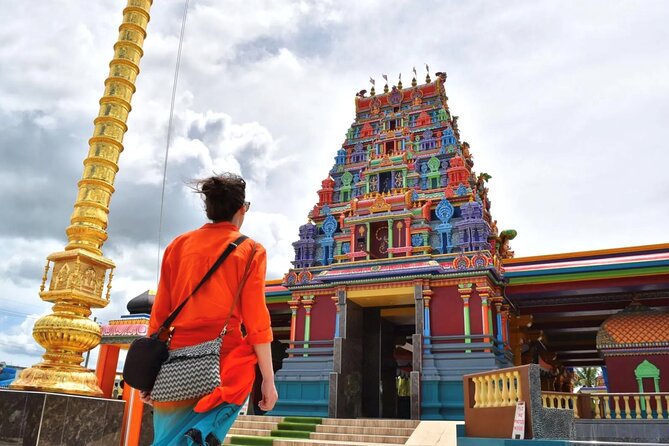
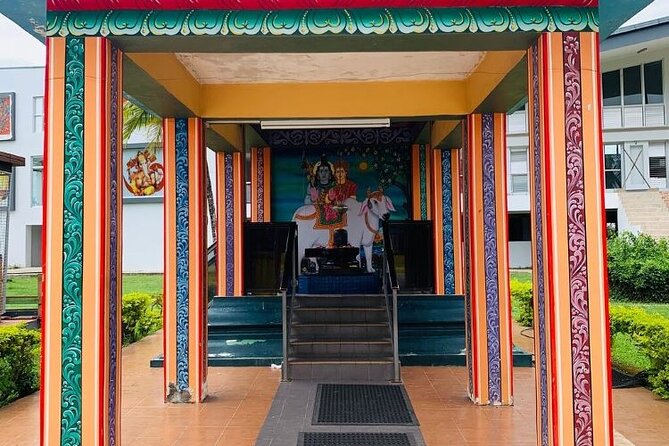
The first major stop is Sri Siva Subramaniya Swami Temple, Fiji’s largest Hindu temple. Its ornate design and strong colors make it an immediate change from the resort side of Nadi. Even with a short guided visit of about 15 minutes, the temple gives the day a clear cultural starting point.
I like this stop because it reminds you that Fiji is shaped by several communities and faiths. The temple is not just an attractive building for photographs. It is a place of worship, so you need to approach it with respect and follow the dress rules.
Wear long trousers or other clothing that covers your knees. One visitor was surprised by the dress code and only learned about it outside, although the driver provided lap-laps. That help is useful, but you should not rely on last-minute arrangements. Bring a scarf or suitable cover-up if you are wearing shorts or revealing clothing.
The short visit means your guide may offer only a few facts. If temple architecture or Indo-Fijian culture is a main reason for booking, ask questions while you are there. Guides have been praised for answering questions, but the amount of detail may vary.
Tappoo and the handicraft stop: useful shopping, not everyone’s favorite
After the temple, the group visits Tappoo for about 30 minutes. This is a planned shopping stop where you can look at Fijian crafts and souvenirs. The selection may include items that are harder to find in a standard resort shop, and the stop gives you a chance to browse in comfort.
Still, I would not make this the reason to book the tour. One account felt the shopping element was the weakest part of the day, and another suggested buying souvenirs at local markets or villages instead. That is fair advice if you prefer direct, informal shopping over a structured retail visit.
Use the time to compare prices and decide what you actually want. You do not need to buy something simply because the bus has stopped there. If you enjoy browsing, 30 minutes is enough for a look around. If shopping is not your thing, this may feel like time taken from the garden or hot springs.
The schedule also includes the Namaka Mini Market, which many people will find more connected to daily life. That contrast matters. Tappoo is convenient and organized, while the market offers a more ordinary view of what people buy, sell, cook, and eat.
Namaka Market: produce, kava, and a quick taste of local life
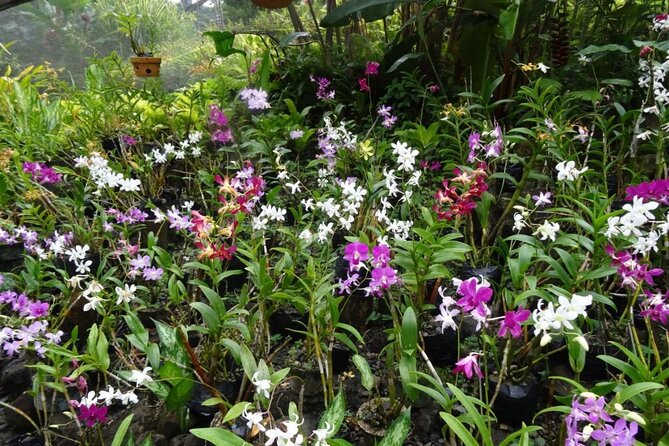
Namaka Market is scheduled for only about 10 minutes, so keep your expectations realistic. You may see fresh Fijian fruit and vegetables, meet vendors, and taste kava. It is a short encounter, not a long food tour.
I like this stop because markets give you a better sense of a place than a polished souvenir shop. The colors, produce, and conversations help connect the trip to everyday Fiji. Kava tasting adds another cultural detail, though the visit can feel rushed.
If you want to buy something here, be ready to move quickly. Keep small cash available, since cards are not accepted at some places on the route. Food and drinks are not included in the tour price, so budget separately for any purchases.
The market also gives you a chance to ask your guide about what you are seeing. A good guide can explain the role of kava and identify unfamiliar produce. You may not get a long explanation during a 10-minute stop, but even a brief visit can be worthwhile if you stay observant.
A completely different kind of day:
- Fiji: Authentic Fijian Day Cruise by Boat
★ 4.8 · 342 reviews - CFC Hot Spring Mud Pool,Garden Of Sleeping Giant And Village Visit Half Day Tour
★ 5.0 · 302 reviews - Private Transfer: Nadi Int Airport – Denarau Island Hotels
★ 5.0 · 285 reviews - Fiji: Zipline Adventure and Cave Exploration
★ 4.9 · 190 reviews
Viseisei Village: the cultural stop needs careful timing
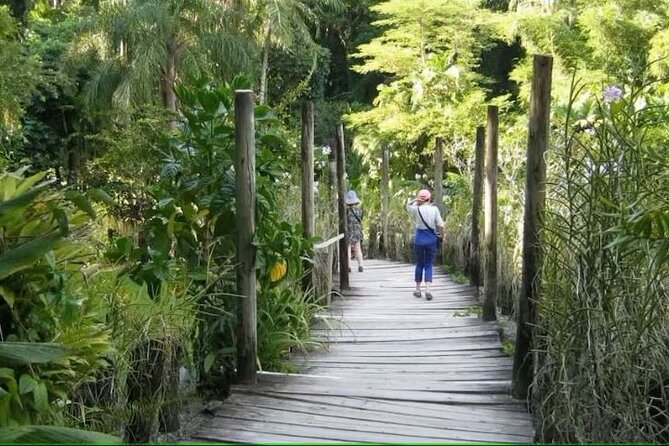
The tour then heads to Viseisei Village, where you receive a guided visit and may see an arts and crafts market. The village is presented as a place to learn about its history and meet local people. This is one of the more meaningful stops because it moves the experience away from commercial Nadi and toward a community setting.
A village visit works best when you listen first and photograph second. Follow your guide’s instructions, dress modestly, and treat homes, people, and cultural spaces with care. The tour description includes a traditional Fijian village visit, but the exact depth of the encounter depends on the departure time and the day’s schedule.
The planned visit is about 30 minutes. That is enough for an introduction, but not enough to hear every story or explore at length. Several people felt that more local history would have improved the stop. I agree that this is an area where extra time would add value.
Important detail: the village and school tour is not available on the afternoon tour. If meeting local residents and seeing the school are priorities, choose a morning departure and confirm the schedule when booking. An afternoon tour may still include other listed stops, but you should not assume the full village experience will be included.
Garden of the Sleeping Giant: the best place to slow down

The Garden of the Sleeping Giant is the visual center of the outing. You have about one hour for a guided walk, scenic views, and time among roughly 2,000 orchids. The garden was created around a major orchid collection, and the flowers are the reason this stop feels different from the rest of the day.
I like that the schedule gives this garden more time than the market or temple. You can walk, take photographs, and look closely at the plants without needing to hurry through every path. The experience is gentle rather than strenuous, but comfortable shoes still matter.
Bring your camera, hat, sunscreen, and water. Fiji’s sun can make even an easy walk tiring, especially when you have already spent hours getting in and out of the vehicle. Wear clothing that lets you walk comfortably and protect yourself from the heat.
The garden is also a welcome change in pace. After the temple, shopping, market, and village, you get a quieter hour surrounded by flowers. If you prefer scenery to shopping, this is likely to be your favorite stop.
Sabeto Hot Springs and Mud Pool: a playful finish

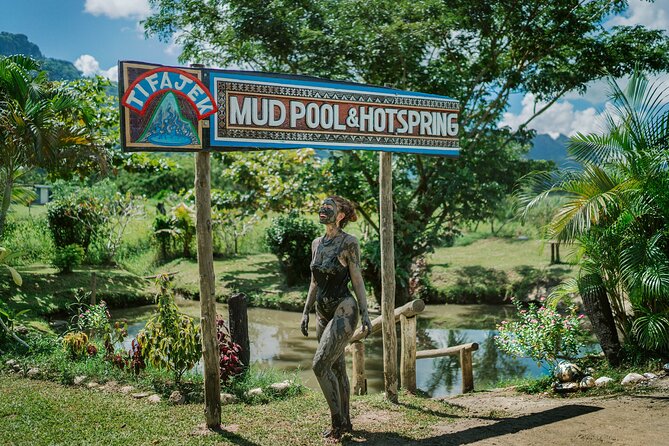
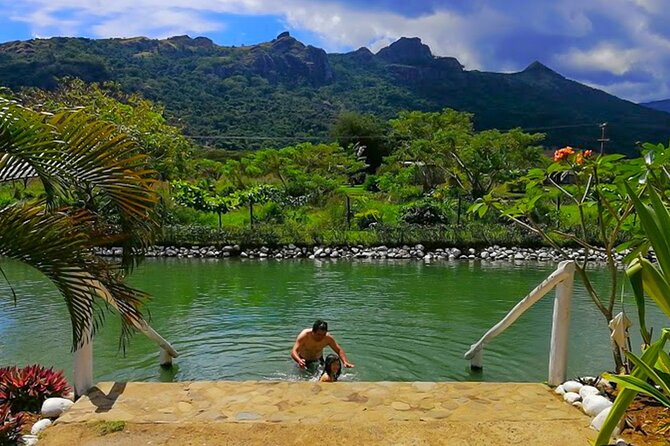
The last major stop is Sabeto Hot Springs and Mud Pool, with about an hour for the visit and guided experience. You can relax in a thermal hot spring and cover yourself in mineral-rich mud before washing off. It is a lighthearted ending to a busy day, and the change from sightseeing to soaking helps the schedule finish on an easy note.
Some people spend the time in the mud pool, while others choose a massage. One visitor skipped the mud pool and paid for a one-hour massage, describing it as relaxing and leaving a coconut scent afterward. The supplied tour details do not clearly state that a massage is included, so ask about the price and availability before assuming it is part of your $90 booking.
The main practical complaint here is time. One person wanted more time at the mud baths, and that makes sense. An hour passes quickly once you change, enter the pools, rinse off, and get ready to leave. If this is the activity you most want, keep your routine simple and use the full stop efficiently.
The pools are not suitable for everyone. The activity is listed as unsuitable for pregnant women and people with back problems. Wheelchair users are also not considered suitable for this tour. If you have a health concern, check with the provider before booking.
What the $90 price really includes
At $90 per person, this is a strong value if you want transport and several entry stops handled in one booking. Hotel pickup and drop-off, a guide-driver, fees, and taxes are included. That removes the work of arranging separate transport to the temple, village, garden, and hot springs.
The value is strongest for first-time visitors, cruise passengers with a limited day, and anyone staying in Nadi, Denarau, Wailoaloa, Nasoso, or nearby areas. You are paying for access to a broad route and the convenience of a guide who can explain what you are seeing.
Food and drinks are not included. Add money for market purchases, drinks, and any massage at Sabeto. Also carry cash. A practical warning from the day is that cards are not accepted in some places, so relying only on a bank card could leave you unable to buy something you want.
The shopping stops also affect the value. If you strongly dislike organized retail visits, part of the tour may feel less useful. If you enjoy seeing crafts and comparing local products, they provide an easy introduction before the more cultural and natural stops.
Guides, driving, and the pace of the day
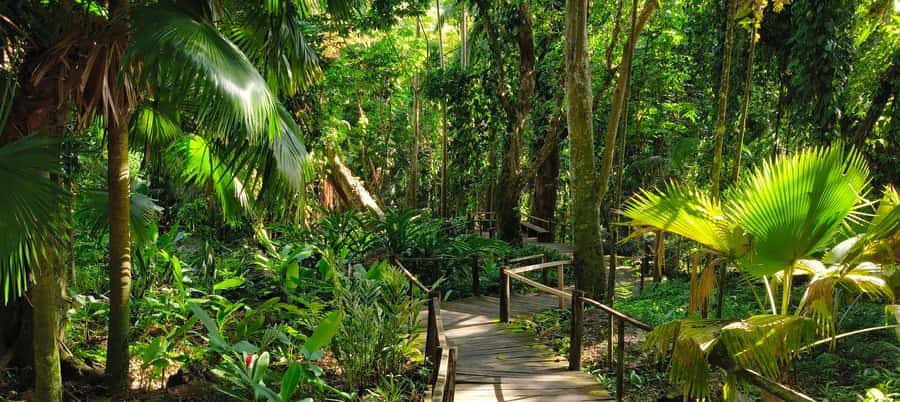
The guide is central to this experience. The strongest praise goes to Shaggy, Bobby, Anand, and Deo, with repeated appreciation for kindness, humor, careful driving, and helpful recommendations. That matters in Fiji, where the value of a sightseeing day often depends as much on the person in the front seat as on the sites themselves.
A good guide can add context at the temple, explain market produce, make the village visit more meaningful, and share facts during the drives. Bobby, in particular, is praised for fun facts and information about each stop. The exact amount of history you receive can vary, so ask questions when you want more detail.
The itinerary is tightly packed. The temple lasts about 15 minutes, Tappoo 30 minutes, the market 10 minutes, Viseisei Village 30 minutes, the Garden of the Sleeping Giant one hour, and Sabeto one hour. Driving and pickup time fill the rest of the six-hour outing.
Some parts may feel quick, especially Namaka Market and Viseisei Village. The reward is breadth. In one day, you see far more than you would by staying around the hotel district.
What to bring and what to wear
Keep your day bag simple and useful:
- Comfortable walking shoes
- A hat
- Sunscreen
- A camera
- A bottle of water
- Cash for purchases and places that do not accept cards
- Clothing that covers your knees and shoulders for the temple
Smoking is not allowed. You should also wear clothing suitable for walking and for the hot spring visit. A change of clothes may be sensible after the mud pool, although the supplied information does not specify changing facilities.
Hotel pickup is optional at booking, with service available from hotels in Nadi and nearby areas including Denarau, Wailoaloa, and Nasoso. The language of the live tour is English.
Free cancellation is available up to 24 hours before departure for a full refund, and you can reserve now and pay later. Check the available starting times, especially if you want the morning route with the village and school visit.
Who should book this Nadi tour?
I would choose this tour if you want a friendly, organized introduction to Nadi and prefer variety over long visits at one site. It suits couples, families with older children, first-time visitors, and anyone without a rental car.
It is also a good choice if you want both cultural stops and a relaxing activity. The temple and village offer context, the market shows everyday life, the garden provides quiet scenery, and Sabeto gives you a chance to get muddy and unwind.
I would hesitate if you dislike shopping stops, need a slow schedule, or want detailed historical explanations at every location. You may also prefer another plan if you are pregnant, have back problems, use a wheelchair, or mainly want to spend a long afternoon at the hot springs.
FAQ
How long does the Best of Nadi Highlights tour last?
The tour lasts six hours, including pickup, sightseeing, and return to Nadi.
How much does the tour cost?
The listed price is $90 per person.
Is hotel pickup included?
Hotel pickup and drop-off are included when you select the pickup option. Pickup is available from hotels in Nadi and nearby areas such as Denarau, Wailoaloa, and Nasoso.
Which language is the tour conducted in?
The live tour guide speaks English.
Is the village and school tour available in the afternoon?
No. The village and school tour is not available on the afternoon tour.
What should I wear to the Hindu temple?
Wear comfortable clothing suitable for walking and dress respectfully. Long trousers are a useful choice because the temple has a strict dress code. Lap-laps may be supplied if needed.
Are food and drinks included?
No. Food and drinks are not included in the tour price.
Should I bring cash?
Yes. Cash is useful because cards are not accepted at some places on the route.
Who should not take this tour?
The tour is not suitable for pregnant women, people with back problems, or wheelchair users.
Should you book Best of Nadi Highlights?
Book it if you want to see Nadi’s main cultural and nature stops without arranging transport yourself. The combination of the Hindu temple, market, village, orchid garden, and Sabeto hot springs gives you a well-rounded first look at Fiji, and the $90 price is reasonable once transport and fees are counted.
Choose a morning departure if the village and school matter to you. Bring cash, cover up for the temple, and expect the schedule to move quickly. If you can accept a few shopping stops and prefer a broad introduction over a slow, detailed tour, this is a practical and enjoyable way to spend six hours in Nadi.
Just added in Nadi
- Waterfall and Fijian Village Tour with Light Lunch ex Nadi Area Hotels★ 4.5 · 4 reviews
- Zip line ex Intercontinental Fiji with return private transfers★ 5.0 · 1 review
- Private Transfer:Nadi Airport to Fiji Marriott Momi Bay★ 5.0 · 4 reviews
- Shared Transfer -Nadi Airport to Fiji Marriott Momi Bay★ 5.0 · 1 review
- CFC Approved Shared Shuttles – Nadi Airport to Wailoaloa Hotels★ 5.0 · 9 reviews
- Scenic Sigatoka Valley Drive, Fijian Pottery Village, Local School & Sand Dunes★ 5.0 · 1 review
- Private Momi Bay Transfers★ 5.0 · 5 reviews
- Shangri-La Fijian Resort to Nadi Airport – Private Vehicle★ 5.0 · 2 reviews
Nadi Tours, compared.
Largest Zipline in South Pacific & Cave Exploration in Nadi
Read our review →

CFC Hot Spring Mud Pool,Garden Of Sleeping Giant And Village Visit Half Day Tour
Read our review →

South Sea Island Full Day Trip with Lunch & Drinks
Read our review →

Browse the lists this tour appears in