
Reviewed · DENARAU ISLAND TOURS
Private Experience of the Authentic Lifestyle of People In Fiji
Fiji beyond the resort is the real reward. This private half-day tour from Denarau Island takes you to a fruit market, rural farming school, Indian family home, and the Fijian village of Yavuna. I like the mix of everyday places and personal encounters, especially the chance to meet schoolchildren, sample food in two cultures, and share a village welcome.
I also like the way the tour connects Fiji’s Fijian and Indian communities rather than presenting only one side of the country. Guides such as Lina and Paulina have been praised for friendly storytelling and thoughtful answers. The main consideration is time: five hours is enough for a strong introduction, but each stop is fairly compact, and the tour may feel full for anyone who prefers a slower pace.
In This Review
- Key Points Before You Book
- Why This Tour Gives You More Than a Resort Day
- Tasting Fiji at the Fruit and Vegetable Market
- Meeting Students at a Rural Farming School
- Sharing Food and Stories in an Indian Home
- Entering Yavuna Village Through a Sevusevu Ceremony
- Eating an Authentic Village Lunch
- Private Transport, Timing, and Group Feel
- Is $97.84 Good Value?
- Who Will Get the Most From This Experience?
- Should You Book the Yavuna Village Tour?
- FAQ
- Where does the tour start?
- How long does the experience last?
- Is this a private tour?
- What food is included?
- Is kava part of the experience?
- Can I cancel for a full refund?
Key Points Before You Book
- A private 4WD or minibus carries only your group, with pickup offered from your hotel.
- The fruit and vegetable market introduces foods that later appear in the village lunch.
- A rural farming school visit may include meeting students and seeing sugarcane, vegetables, and oxen ploughing.
- An Indian family home adds food, conversation, and cultural context to the day.
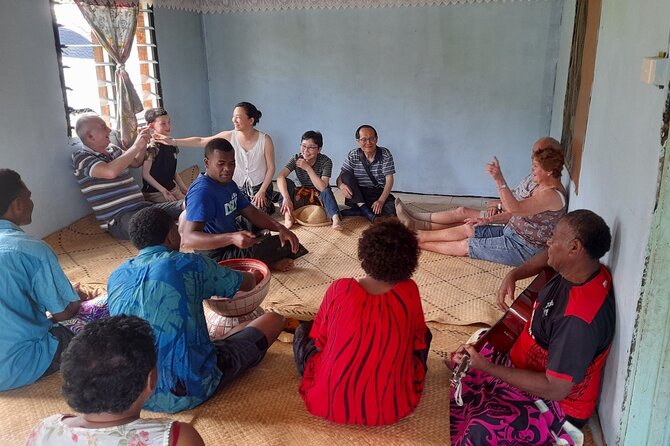
- Yavuna village includes a sevusevu welcome ceremony, with kava and a guided walk.
- The $97.84 price includes about five hours of private touring, food sampling, and lunch, which is solid value for a small group.
Why This Tour Gives You More Than a Resort Day
Denarau Island is convenient, polished, and packed with hotels. It is also a carefully prepared holiday setting. If you want to see how people live beyond the resort gates, this tour gives you a practical way to do it without arranging several separate visits.
The focus is not on grand monuments. It is on the places where ordinary life happens: a market, a school, farm fields, a family home, and a village. That makes the experience especially useful early in your Fiji visit, when you want context for the food, customs, and people you will encounter elsewhere.
The private format matters. You are not being moved through a large group on a fixed script. Your guide can ask about your interests and adjust the conversation. One guide, Lina, has been praised for her storytelling and for answering questions, while Paulina has been described as personal and professional. Those details suggest that the guide is a major part of the experience.
This is still a five-hour tour, not a full study of Fijian society. You will see selected parts of local life, arranged into a clear route. That is not a flaw, but you should book it as an accessible introduction rather than a complete picture of Fiji.
More things to do on Denarau Island:
- Cultural Night Tour
★ 4.5 · 470 reviews - Fiji: Malamala Beach Club Private Island Day Pass & Transfer
★ 4.7 · 413 reviews - Nadi: Garden Village Hot Spring & Temple Highlights Tour
★ 4.6 · 339 reviews
Tasting Fiji at the Fruit and Vegetable Market
The first stop is the local fruit and vegetable market. Your guide points out the foods used during the day, including ingredients that may later appear in the village lunch and at the Indian family home.
You are welcome to taste seasonal fruit. The exact selection will depend on what is available, so the market is likely to change from one visit to the next. That is part of its appeal. Instead of seeing a fixed display prepared for tourists, you get a glimpse of what is being sold at that time.
I like this opening because it gives the rest of the tour a useful thread. Food is not treated as a separate tasting session. You first see ingredients in the market, then learn how food fits into two different communities.
The market also gives you a chance to ask basic questions. You might want to know which fruits are seasonal, what vegetables are common in village cooking, or which ingredients are linked to Indo-Fijian meals. The guide can connect what you see to the stops that follow.
Do not expect a long market tour with detailed vendor histories. The stop is one part of a compact route. If you want to linger over every stall, the schedule may feel brisk. Still, it is a good first step into Fiji’s daily routines.
Meeting Students at a Rural Farming School
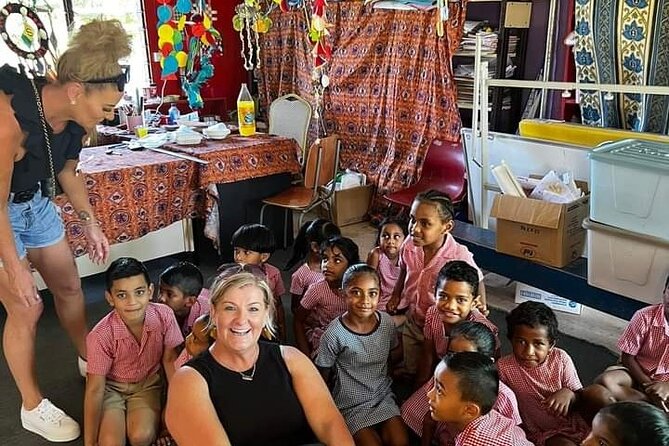
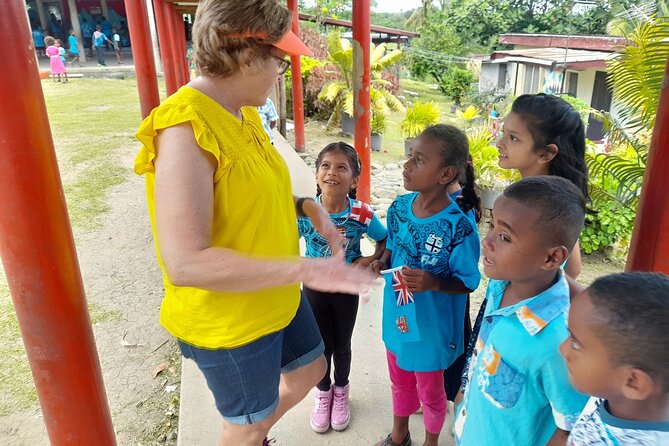
The tour continues to a rural farming school, where you have a guided visit and may meet students. The route then passes through sugarcane and vegetable fields.
This stop adds an important piece that many resort-based outings miss. Farming is not simply a scenic backdrop here. It is connected to education, family life, food, and local work. The visit helps you see how the countryside functions beyond beaches and hotel pools.
You might also see a bowed oxen ploughing the fields. The tour describes this method as continuing in the same way for more than a hundred years. That does not mean every field is worked this way, but if the timing is right, the sight offers a direct look at an older farming practice.
Meeting students can be one of the most memorable parts of the morning, especially for families and anyone interested in education. It also brings a human face to the rural setting. You are not simply looking at fields from a vehicle window.
At the same time, a school visit requires respect and flexibility. School routines may affect what you see, and the tour cannot promise a particular classroom activity or student interaction. You should approach this stop as a chance to observe and learn, not as a staged performance.
One visitor with an agricultural engineering background found the farming stories especially useful. That is a good clue about the stop’s range. You do not need a farming background to appreciate it, but people interested in agriculture, sustainability, rural work, or traditional tools may find extra value here.
Sharing Food and Stories in an Indian Home
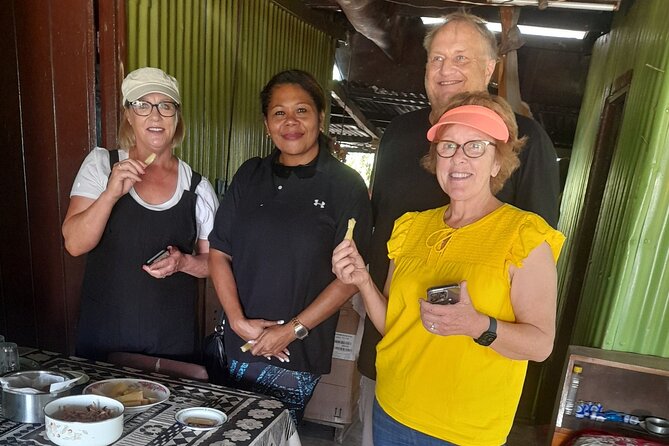
Next comes a stop at an Indian friend’s house. Here you sample Indian food and hear about the family’s culture and history.
This is one of the tour’s strongest ideas. Fiji is home to both Indigenous Fijian and Indo-Fijian communities, and food offers an easy, enjoyable way to understand that mix. The visit is not limited to a restaurant meal. You are welcomed into a home and given a chance to meet people in a more personal setting.
The food sampling is likely to be a highlight for anyone who enjoys trying local cooking. Since the market stop has already introduced ingredients used later in the day, the meal-focused parts of the tour feel connected rather than random.
The home visit also lets you ask questions about Indian Fijian life directly. The details will depend on the conversation and your guide, but the experience can help explain why Fiji’s cultural identity includes more than one major tradition.
Several accounts of this tour place strong emphasis on the hosts’ warmth and the food prepared in the home. One person described the Indian couple and their hospitality as a highlight. That fits the design of the tour: the value comes from the welcome and conversation as much as from what is on the plate.
There is one practical point to keep in mind. This is a cultural exchange, not a formal cooking class. You are sampling food and sharing conversation, but the supplied details do not promise recipes, a cooking demonstration, or a long meal. If you want those activities, confirm them before booking.
A few more options to weigh up in Denarau Island
- Private Departure Transfer From Your Hotel To Nadi Airport (cfc approved)
★ 5.0 · 77 reviews - Private Tour :Best of Nadi
★ 4.5 · 51 reviews - Mud Pools-Nadi Private Therapeutic Pools, Gardens, Temple, Market &Shopping Tour
★ 4.5 · 45 reviews - Private Departure Transfer To Nadi Airport From Your Hotel
★ 5.0 · 43 reviews
Entering Yavuna Village Through a Sevusevu Ceremony

The final major stop is Yavuna, a Fijian village where a village guide welcomes you. A sevusevu ceremony is held as a customary way to welcome visitors, and kava is used during the ceremony.
This is the cultural heart of the tour. The ceremony gives meaning to the visit and shows that entering a Fijian village involves more than arriving with a camera. A welcome is offered, and you are introduced to a local custom in a respectful setting.
Kava is central to the ceremony. The tour provides the chance to take part, but you should listen carefully to your guide and the village guide about what to do. Customs are best handled with quiet attention. You do not need to perform for the moment. Watch, follow instructions, and treat the ceremony as a genuine welcome.
Afterward, the village guide leads you around Yavuna. The walk lets you see the community in context rather than as a quick photo stop. You can ask questions and learn about village life from someone connected to the place.
The exact details of the walk are not fixed in the information provided, so do not expect a list of guaranteed buildings or activities. The strength is the setting and the personal introduction. This part may feel more meaningful than a standard cultural show because it is tied to a real community and a customary welcome.
The village visit also requires a respectful attitude. Dress and behavior should be appropriate for a community setting, though the supplied information does not give a specific dress code. Your guide should be your first source for local etiquette on the day.
Eating an Authentic Village Lunch
Before leaving Yavuna, you are invited to eat lunch prepared by the village. This meal brings together the morning’s themes: market ingredients, farming, family cooking, and community life.
I like that lunch comes after the welcome and guided walk. You have already met the village guide and learned something about the setting, so the meal feels like part of the visit rather than a packaged food stop.
The word authentic can be overused in tourism, but here the lunch is specifically prepared by the village. That gives it a stronger connection to the community than a meal served at a resort or tourist restaurant. It may also give you dishes you would not choose from a standard hotel menu.
Food preferences and dietary needs are not explained in the supplied details. If you have allergies, restrictions, or strong dislikes, ask the operator before booking. The tour includes food sampling at the market and Indian home as well as lunch, so this is not the best choice for someone who wants to avoid unfamiliar food.
The lunch is also a social moment. The emphasis is on eating with the community, not rushing through a meal to reach the next attraction. Still, the entire tour lasts about five hours, so the pace remains structured.
Private Transport, Timing, and Group Feel
Pickup is offered, and transport is provided in a luxury 4WD or minibus. The starting time is 9:00 a.m. This makes the tour easy to fit into a Denarau stay, especially if you want to return with part of the afternoon still available.
A private tour means only your group participates. That is a major advantage for families, couples, and small groups with shared interests. You can ask more questions, discuss food and customs openly, and avoid waiting for a large coach group at every stop.
The 4WD or minibus also suits a route that moves between the hotel area, market, countryside, and village. The information does not promise a particular vehicle model or luxury features beyond that description, so treat the wording as a general guide rather than a guarantee of a high-end vehicle.
Five hours is a useful middle ground. You get several different settings without committing to a full-day excursion. The tradeoff is that the itinerary is busy. You visit a market, school, farms, home, and village in one morning, so none of the stops can stretch on indefinitely.
The tour is available as a mobile ticket, and confirmation is received at booking. Most people can participate, though the supplied details do not give a more specific accessibility statement. If you have mobility concerns, ask the operator about the school grounds, village walk, vehicle access, and market surfaces before paying.
Is $97.84 Good Value?
At $97.84 per person, this is not the cheapest way to spend five hours in Fiji. It is also more than a simple sightseeing transfer. The price covers private transport, a guide, several cultural visits, food sampling, and a village lunch.
The private format is the key value. If two or more people share the booking, you are paying for a personal route rather than a large group excursion. The cost makes more sense if you care about conversation and local contact, not just seeing as many sights as possible.
The food component adds value, too. You taste seasonal fruit, sample Indian food, and eat a village-prepared lunch. That is a lot of cultural material delivered through meals, with the market and farming school explaining where some of it comes from.
I would not choose this tour solely for scenery. Its value comes from access and context. You are paying to meet people and enter settings you would be unlikely to arrange on your own during a resort stay.
The experience has a five-star rating from 30 reviews, with 100 percent recommending it. The strongest praise centers on the guides’ warmth, the Indian home visit, the village ceremony, the food, and the sense of seeing real daily life. That pattern tells you what the money is buying: human connection, not a polished attraction.
Who Will Get the Most From This Experience?
I would recommend this tour to you if you want:
- A private outing rather than a large group trip
- A clear introduction to both Fijian and Indo-Fijian culture
- Local food in several settings
- A village welcome ceremony and guided visit
- Rural details such as farming, sugarcane, and school life
- A guide who can shape the conversation around your interests
Families may appreciate the mix of food, transport, school, farming, and village life. University students and anyone interested in agriculture can get more from the farming section. Couples and small groups may value the private setting and the chance to ask personal questions.
I would be more cautious if you want a beach day, a long free period, or a highly polished performance. The tour is about community visits and conversation. It may feel too structured for someone who wants to wander independently, and too culturally focused for someone seeking only dramatic views.
The strongest experiences on this route depend on the people you meet. That is a strength, but it also means the tone can vary with the guide, hosts, school schedule, and village activities on the day.
Should You Book the Yavuna Village Tour?
Book it if you want to step outside Denarau’s resort bubble and see how food, farming, family, and ceremony connect in Fiji. The combination of a market, school, Indian home, and Yavuna village gives you more range than a basic village visit, while the private format keeps the morning personal.
Before booking, contact Off The Grid Tours if you need details about dietary restrictions, mobility, or the exact pickup arrangement. Cancel at least 24 hours before the 9:00 a.m. start for a full refund. Changes or cancellations made less than 24 hours ahead are not accepted for a refund.
My call: this is a strong choice for curious visitors who value people and stories over staged entertainment. If that sounds like your kind of morning, $97.84 is a fair price for the access and meals included.
FAQ
Where does the tour start?
The tour starts at 9:00 a.m. Pickup is offered from your hotel in Denarau Island.
How long does the experience last?
The tour lasts approximately five hours and is described as a half-day experience.
Is this a private tour?
Yes. Only your group participates in the private tour or activity.
What food is included?
You may taste seasonal local fruit at the market, sample Indian food at an Indian family’s home, and eat an authentic lunch prepared by the village in Yavuna.
Is kava part of the experience?
Yes. Kava is used during the sevusevu ceremony that welcomes you to Yavuna village.
Can I cancel for a full refund?
Yes. You can cancel at least 24 hours before the local start time for a full refund. Cancellations or changes made less than 24 hours before the start are not refunded or accepted.
Just added in Denarau Island
- Treetops Fiji Zipline Tour with Drop off Transfer to Nadi Airport★ 5.0 · 2 reviews
- Yasawa Hop-On Hop-Off Pass★ 3.5 · 12 reviews
- Fiji Adventure: Biausevu Waterfall & Dunes hiking Combo Tour!★ 5.0 · 8 reviews
- garden of the sleeping giant and mudpool tour combo★ 4.5 · 7 reviews
- Shared Shuttle Departure Transfers – Denarau,Wailoaloa & Nadi to Nadi Airport★ 5.0 · 2 reviews
- CFC APPROVED Roundtrip Transfer – Nadi Airport to Radisson Blu Resort, Denarau★ 5.0 · 10 reviews
- Valley of a Thousand Hills★ 4.0 · 5 reviews
- CFC APPROVED Private Departure Transfer – Sheraton Fiji & Villas to Nadi Airport★ 5.0 · 4 reviews
Denarau Island Tours, compared.
Garden Village Hot Spring & Temple Highlights Tour
Read our review →

South Sea Sailing Experience with Lunch & Drinks
Read our review →
Ultimate Encounter Snorkel with Sharks in Fiji
Read our review →
Finding Nemo – Half Day Cruise to South Sea Island
Read our review →
Browse the lists this tour appears in